

In an increasingly connected African trading landscape, securing a competitive edge requires a modern, highly enforceable intellectual property regime. Replacing a nearly seven-decade-old statutory framework dating back to 1958, Zambia has officially brought into force the Trade Marks Act No. 11 of 2023. Effective late December 2025, this landmark reform aligns Zambia’s domestic trade mark system with international standards, fundamentally expanding how brand equity is protected and enforced.
The Statutory Modernization: Why the 2023 Act Matters
The repealed 1958 legislation left significant structural gaps, particularly for service-oriented and digital enterprises. The new Act introduces several game-changing statutory provisions:
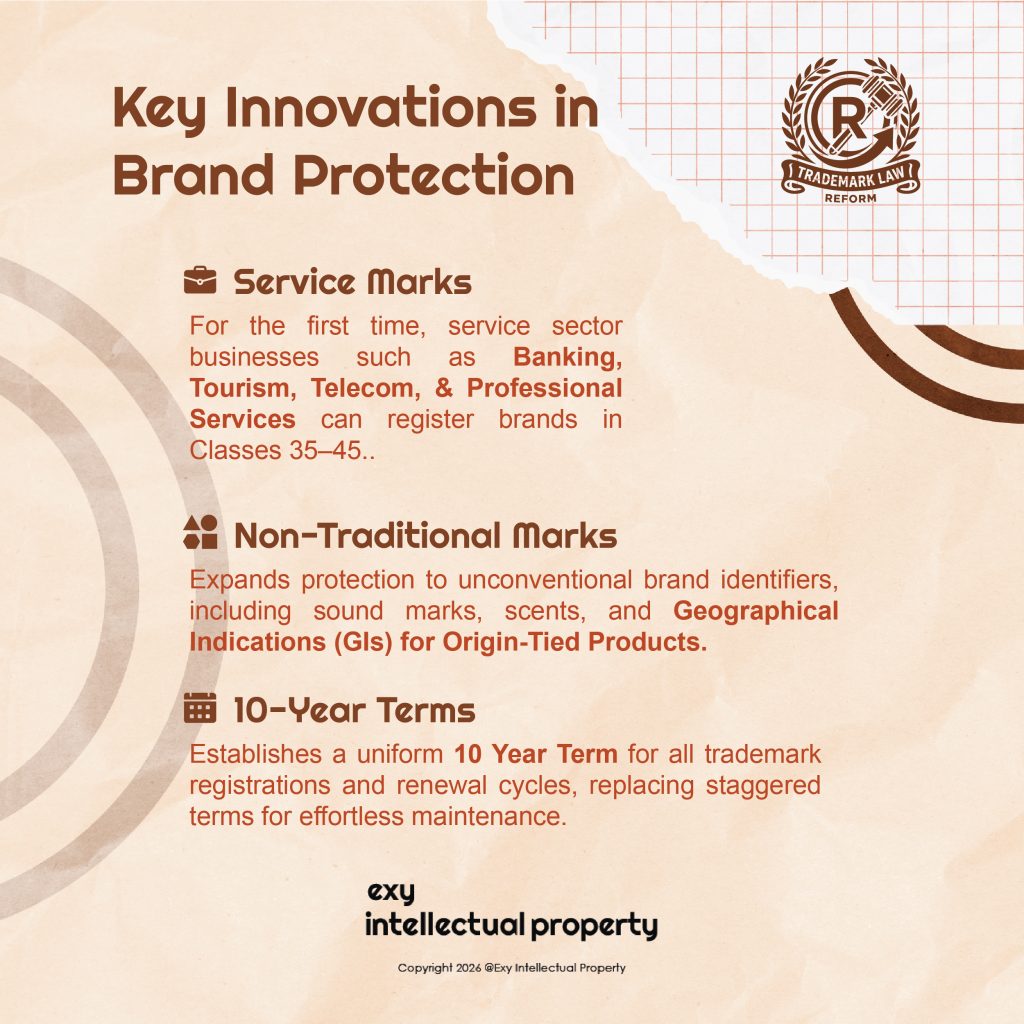
- Formal Registration of Service Marks: For the first time in Zambian legal history, service providers in sectors such as banking, hospitality, telecommunications, retail, and professional services can secure direct, primary registrations in Nice Classes 35 to 45. Previously, service brands were forced to rely on indirect protection via physical goods classes.
- Uniform 10-Year Protection & Renewal Cycles: Standardizing national terms to align with global norms, initial trademark registrations and subsequent renewal periods now run for a uniform 10-year period (shifting away from legacy 7-year and 14-year terms).
- Recognition of Non-Traditional Marks & GIs: The statutory scope now protects non-traditional brand identifiers—including sounds, scents, shapes, and colors—alongside collective marks and Geographical Indications (GIs).
- Statutory Recognition for Well-Known Marks: Unregistered well-known global brands now enjoy express statutory grounds to oppose conflicting applications and restrain unauthorized local use.
- Enhanced Judicial Enforcement: The Act significantly bolsters enforcement tools, arming rights holders with modern High Court remedies, evidence-preservation orders, border measures, and severe anti-counterfeiting criminal penalties.
The Strategic Compliance Roadmap for Brand Owners
While the legislation is fully active, navigating the operational transition requires precise administrative steps:
Prepare for Incoming Administrative Rules: As PACRA finalizes updated procedural regulations and fee schedules, ensure your local legal representation maintains continuous oversight over accepted journal publications..
Prioritize Direct National Filings: While the Act formally domesticates the Madrid Protocol, international registry mechanisms are still being integrated locally. Direct national filings before the Patents and Companies Registration Agency (PACRA) remain the most immediate and reliable route to secure enforceable rights.
File Service Classes Immediately: Service-sector entities should move aggressively to secure priority filings in Classes 35–45 to prevent local squatters or competitors from claiming primary rights under the newly available classes.
Audit and Expand Existing Goods Portfolios: Review your current Zambian portfolio to determine whether legacy goods-based filings (such as Class 16) can now be reinforced with dedicated service-class registrations.
#ExyIP #ExyIntellectualProperty #IPUpdate #IntellectualProperty #TrademarkLaw #IPknowledge