



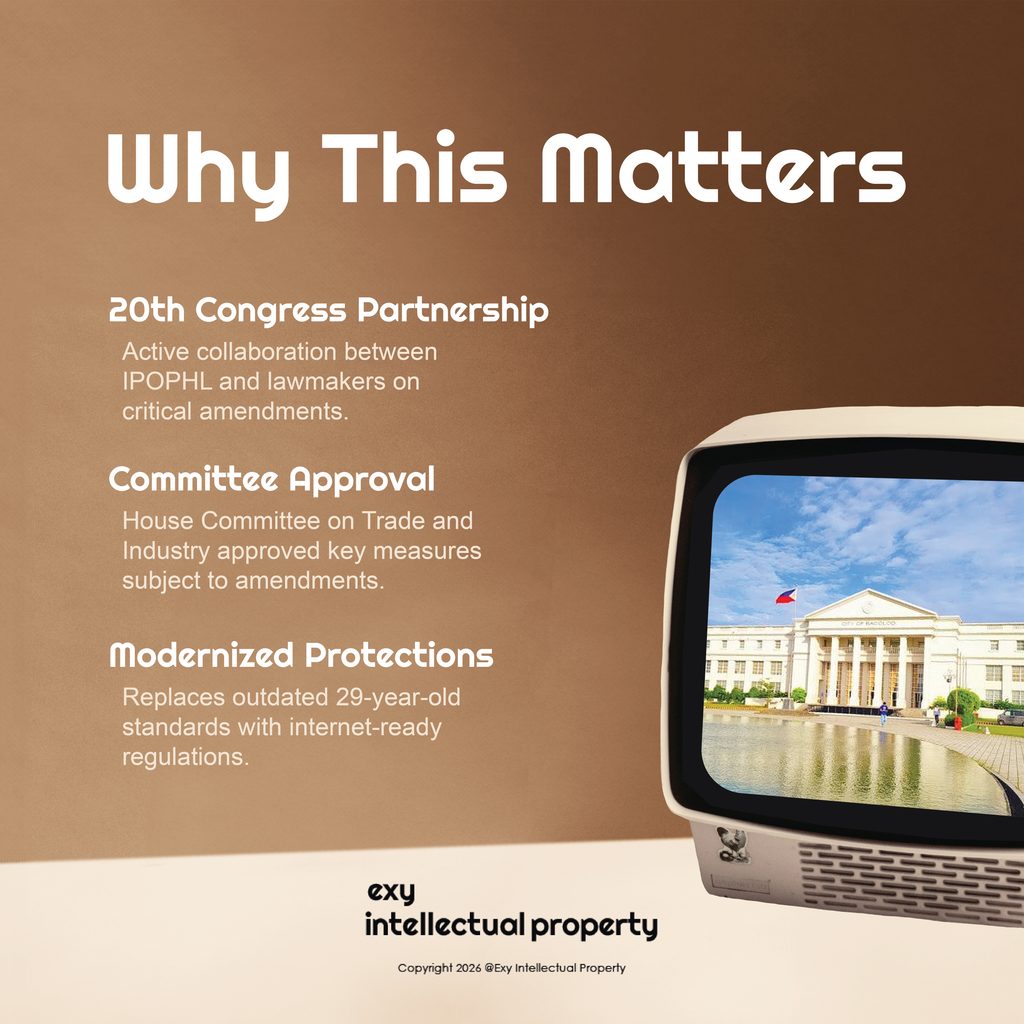

The Intellectual Property Office of the Philippines (IPOPHL) is actively collaborating with lawmakers in the 20th Congress to pass critical amendments to Republic Act No. 8293, the country’s 29-year-old Intellectual Property (IP) Code.
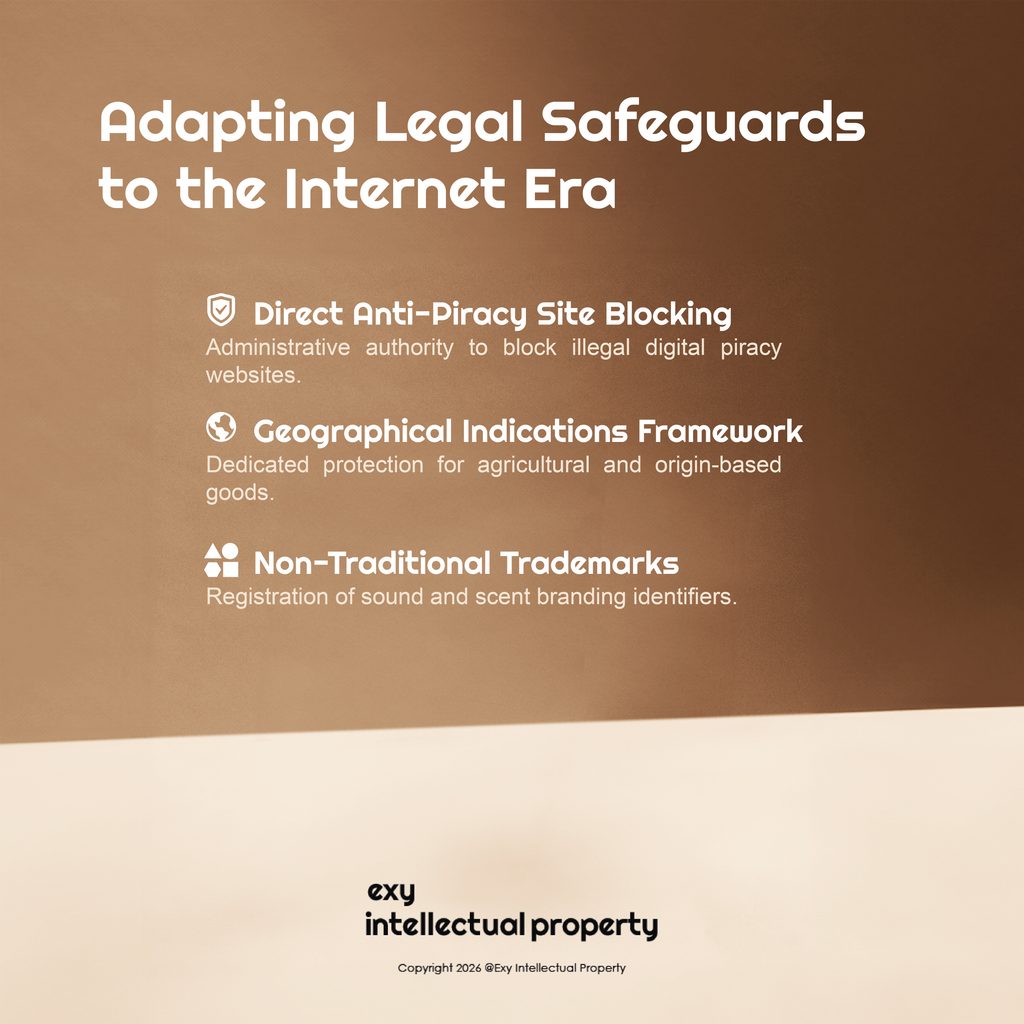
Following approvals from the House Committee on Trade and Industry subject to amendments, the proposed legislative reforms are advancing through the legislative track. The bill adapts the Philippines’ statutory IP framework to modern internet-era technologies, digital commerce realities, and evolving international trade standards.
Key Highlights & Legislative Reforms
The proposed IP Code amendments establish enhanced enforcement tools and expand statutory registrability:
- 1. Statutory Administrative Site-Blocking Power: Grants IPOPHL direct administrative authority to mandate internet service providers (ISPs) to block access to online piracy and counterfeiting websites, significantly strengthening digital enforcement beyond existing voluntary administrative channels.
- 2. Sui Generis Framework for Geographical Indications (GIs): Codifies a formal statutory protection framework for local agricultural products and origin-based heritage goods (such as Guimaras Mangoes and Cordillera Heirloom Rice), cementing GI rights in primary legislation.
- 3. Registrability of Non-Traditional Trademarks: Amends current statutory rules to allow the commercial registration of non-traditional marks—including sound, scent, motion, and hologram marks—moving past the historical requirement for purely visual signs.
- 4. Enhanced Institutional Enforcement Authority: Strengthens IPOPHL’s National Committee on Intellectual Property Rights (NCIPR) coordination, increasing administrative fines and statutory remedies against physical and online counterfeit syndicates.
Recommended Action Items for Rights Holders
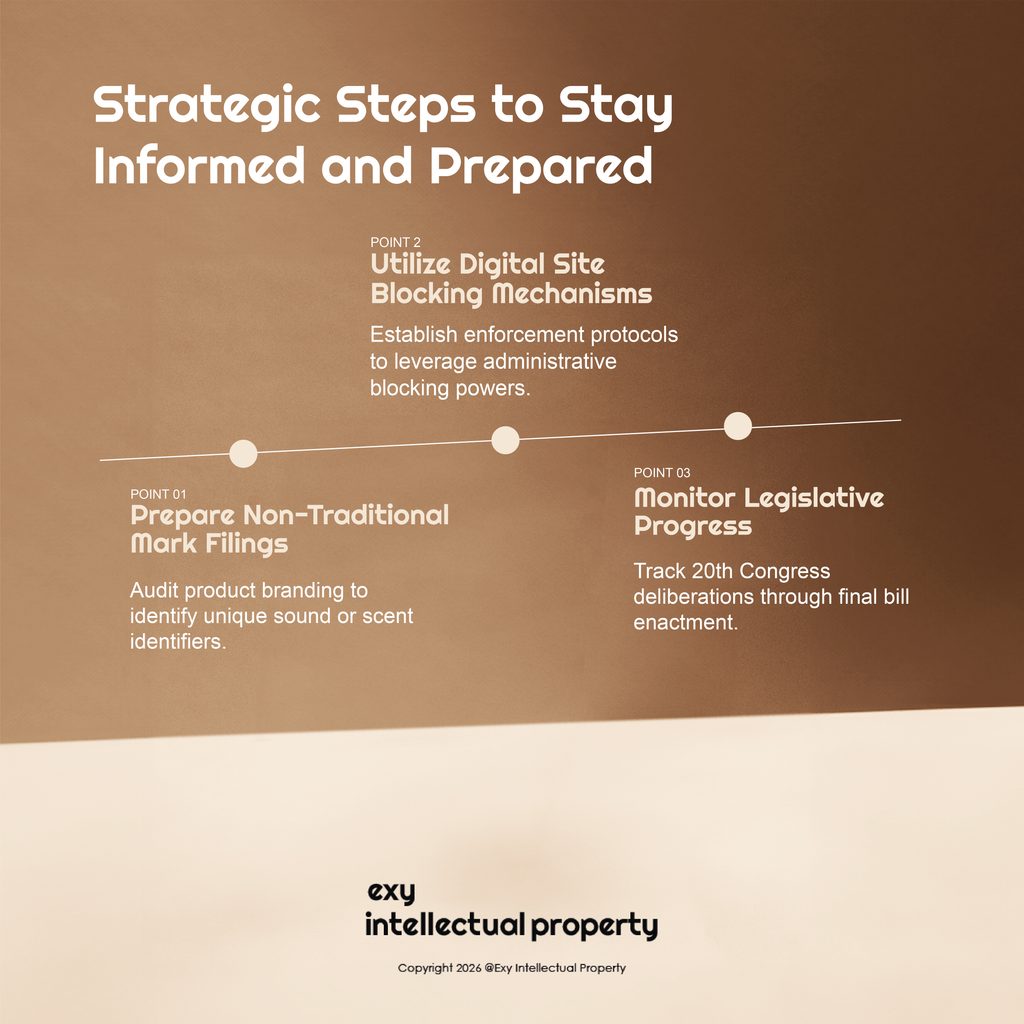
To prepare for the upcoming enactment of the revised Philippine IP Code:
- Audit Brand Assets for Non-Traditional Marks: Review core product branding, commercial jingles, spatial designs, and scent profiles to prepare pre-filing strategies for non-traditional trademark registrations.
- Establish Digital Site-Blocking Enforcement Protocols: Media brands, software publishers, and copyright owners should prepare evidence-gathering workflows to leverage direct administrative site-blocking mechanisms upon enactment.
- Map Local Heritage & Agricultural Assets to GI Standards: Agricultural producers and regional trade groups should review product specifications to secure formal Geographical Indication registrations under the codified framework.
- Monitor Congressional Progress: Track the bill’s movement through plenary deliberations in the House of Representatives and the Senate as it moves toward final presidential enactment.
#ExyIntellectualProperty #IPOPHL #Philippines #IPCode #Trademarks #IPLaw #BrandProtection